
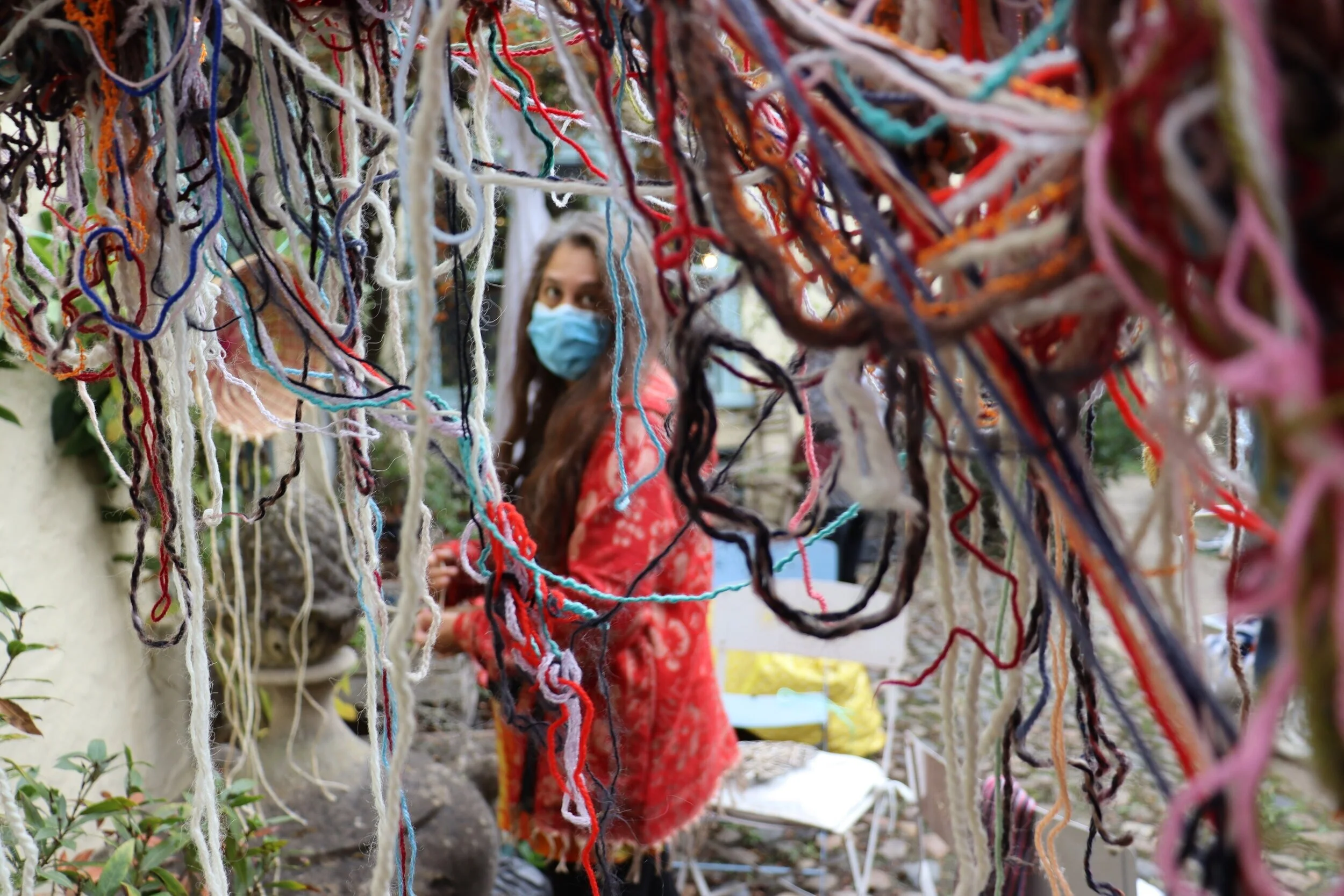
Weaving Our Stories - Jill Eastland, Cathy Dunbar, Jane Hellings
Photos taken by Jai Monaghan
This is one my favourite art projects. We worked to prepare for it for weeks and then created the woven art work that lasted for just one day, but as Eva Hesse said, "Art doesn't last, life doesn't last and it doesn't matter."
Together we created a magical space telling the stories of women through art, working from 9am to 7pm; giving visitors the opportunity to add to and interact with the work and tell us their stories.


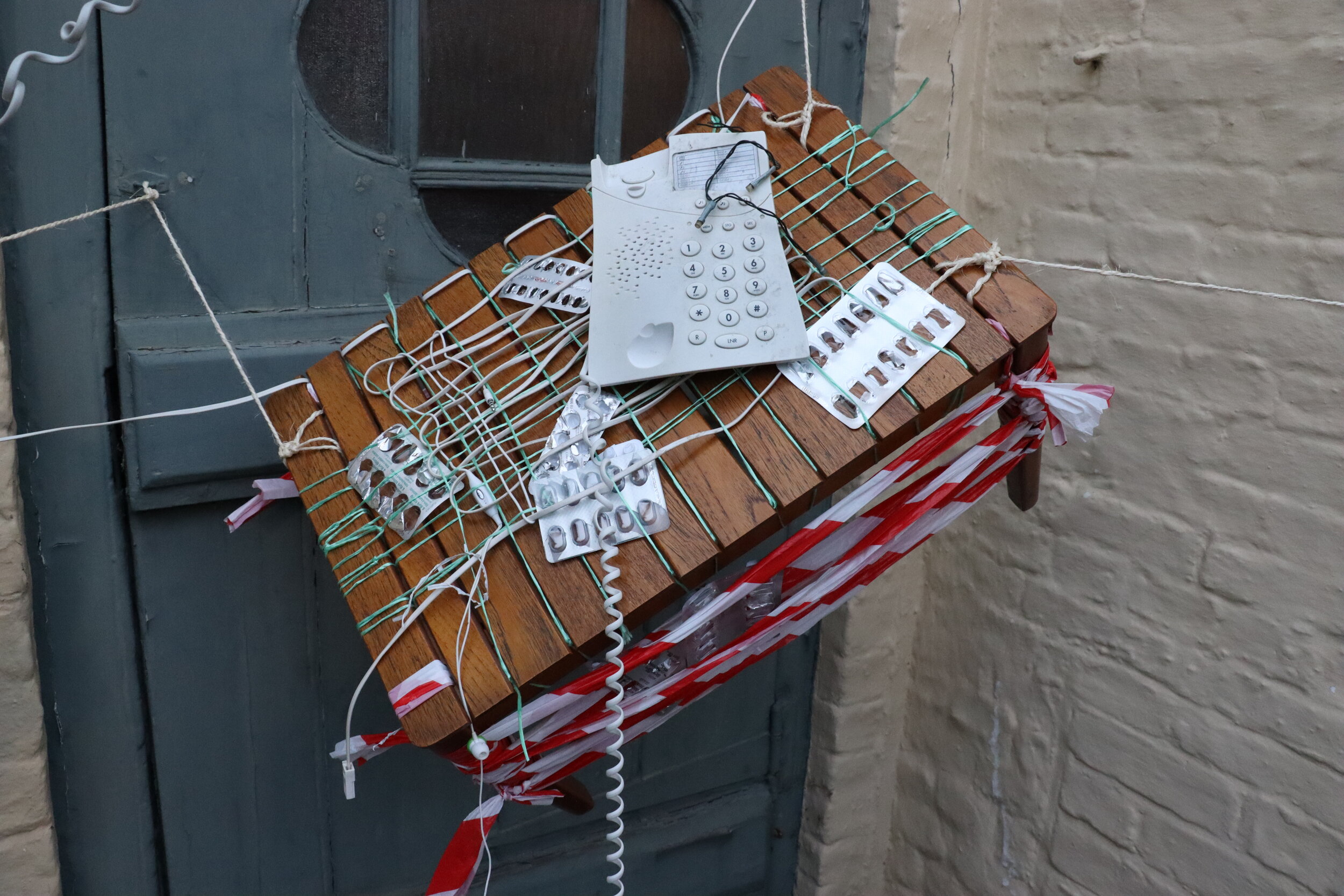


A Perpetual State of Rage
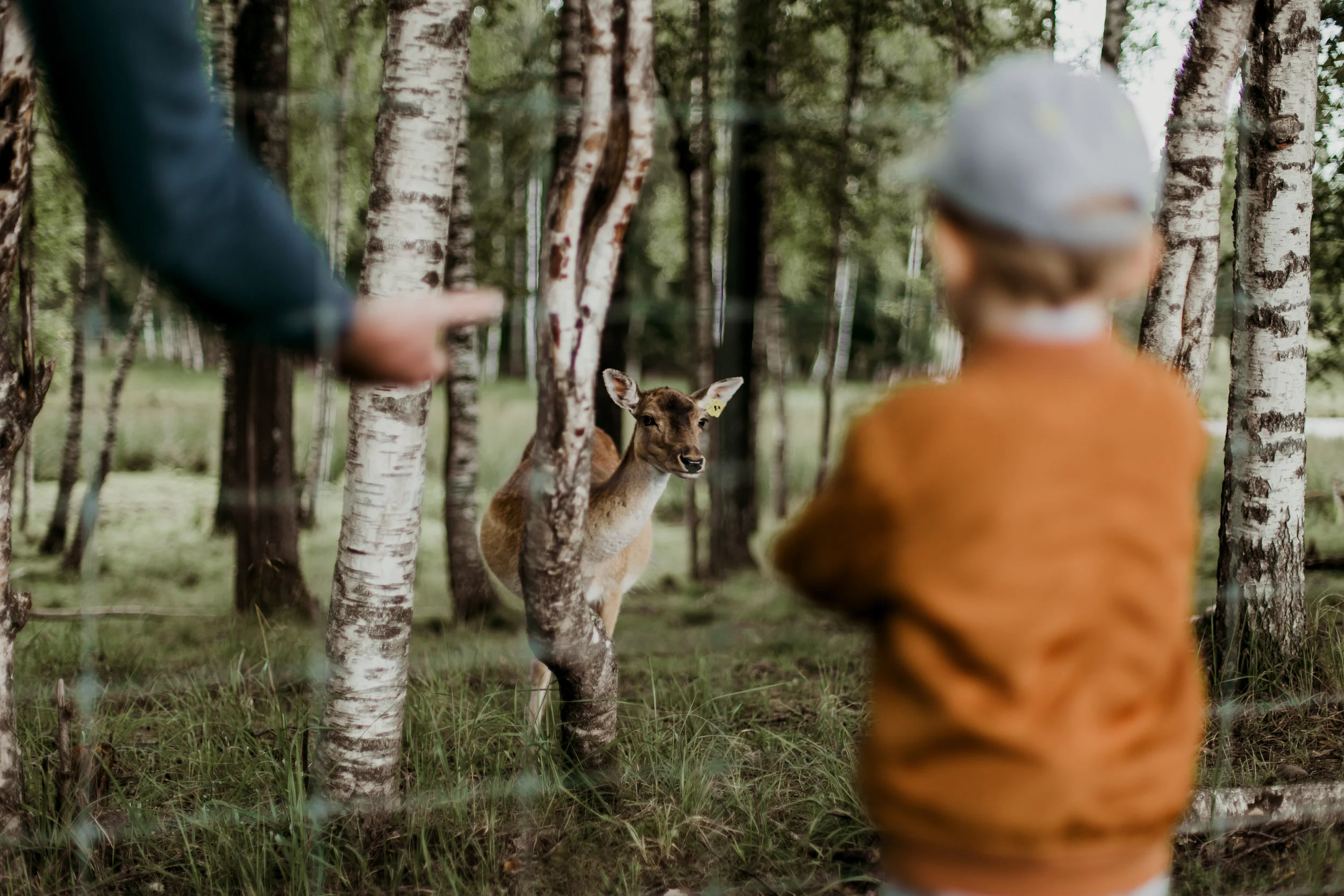
How a book about a deer started me down a path of baffled anger…and why I think many people today are feeling the same way.

by JM Golder
When I was eleven years old, I read Marjorie Kinnan Rawlings' Pulitzer Prize-winning novel, The Yearling. A best seller in 1938, it tells the story of an American frontier family, living on the edge between wilderness and civilisation. The hero, a boy named Jody, adopts an orphaned fawn, which, in its grace and gentleness, becomes his source of inspiration in a harsh and impoverished life. Later, the deer eats the family's corn crop and Jody's beloved and beleaguered father forces him to kill it. Its death is brutal and bloody, and it stood for the loss of something bigger which I didn't quite understand, and it broke my heart.
That's what started my state of rage. What started yours?
If you're reading this, I'm sure you have one. For most of my life I felt alone in my angry ambiguity toward humanity. I grew up in a middle-class suburb of LA County in the 1970's. I met people whose connection to nature was their horses, chewing dry hay in dusty pens, or their dogs, going mad in their lonely backyards. People who, like us, spent a week each year visiting one of America's national or state parks, museums to wildness and poignant symbols of exactly that bigger thing which The Yearling taught me to mourn. Why wasn’t it all preserved like this? Why did it take a mountain view for us to care for the natural world?
Back home, I was a helpless witness as field after peaceful field, where I planted apricot kernels, built hideouts, or searched for grasshoppers, turned into a housing tract, strip mall or parking lot. As I became a young woman, I raged against my boyfriend and his pals, who drove us to the beach, or up to the top of Topanga Canyon with its sparkling view of the San Fernando valley, and left their beer bottles and half smoked cigarettes as souveneirs.
But I never met other people who felt angry about all this. I'm sure there were others. But outside of books, I didn't meet them.
Now, though, everyone is angry, and they are happy to share. Almost every day we hear about a new precious thing we are losing, may lose, or have already lost, and we feel helpless to do anything about it other than vent our frustration on loved ones, on social media, in blogs or even on the streets. We might feel we’re losing progress toward equality, on the one hand, or security and stability, on the other. We might have lost our belief in a future for our children, or our right to make decisions about our own bodies. I’ve lost my respect for national institutions, like our university in Cambridge, which refuses to divest from fossil fuels despite overwhelming scientific consensus and passionate student advocacy [2022 edit - it has now, but still maintains its links to fossil fuel corporations].
Most worrying of all, at least for the future of civilization, I think people have lost their belief in the goodness of their own societies. How can we be good, how can we be enlightened, if our society is destroying the planet? And if we start to believe we are not good, how bad will we become?
Anger can be a horrible and destructive force. When we let go and lash out at those around us we more often than not leave irreparable devastation in our wake. But it can also be lifesaving. When my sister was attacked in an underground car park, her instant reaction was rage. She whacked the perpetrator with her handbag, shouting "How dare you! How dare you!" He ran, and hopefully thought twice before attacking another "helpless" female. I've also never forgotten some advice from a writing workshop with playwright Jaki McCarrick. "Write about what makes you angry," she said. "It's a great motivator."
So I'm back to that pretty deer. Symbol of all that is wild, and other, and from the precarious edges. Symbol of the way humanity sets itself – with deadly force - against nature, yet mourns its loss as we mourn our kin and fellow travellers. Why have we done it? Why do we keep doing it? How do we stop?
I'm mad as hell, and this time - for once, for all, for god’s sake - I don't want the deer to die.

Existential Terror, or, How Do I Keep Going When I Feel Like I Can't Keep Going
Look, I don't want to bring anyone else down, but so far 2019 has been the worst year of my life.
PLEASE NOTE: This post is my attempt to work through a very bad patch with a bit of black humour. It contains references to SELF-HARM & DEPRESSION . This is my truth, but it may trigger, offend or depress others. If you choose to read it anyway, and that happens, I am truly sorry for your pain. But I did warn you.
Last October, I shared a Facebook post about Roger Hallam, one of the founders and presiding mastermind of the Extinction Rebellion movement. Roger was giving a talk here in Cambridge, with the title Extinction and What to do About It. Unfortunately, the talk clashed with a screening of a short film I'd made, and in the battle of ego versus duty, ego won out. I went to the screening, and then rushed straight over to the David Attenborough building, hoping to catch the end of the talk. But even as I panted my way up the stairs, the doors opened, and the audience came streaming out. And there at the front was a colleague from my other life, as a comedy improvisor, along with her partner and another friend of hers. A jolly colleague, and a young one. A person I'm used to being silly with. Playing games with. Forgetting my worries with. Of course, she knew I was into this climate change stuff, but I don't think we'd ever had a serious discussion about it. I was surprised to see her there.
I had a pretty good idea what the Roger Hallam talk was going to be about. I mean, the title kind of said it all. And since I became involved in my own little form of climate activism, in 2015, I've read every book and article I could get my hands on and attended or watched every lecture (if you're a part of the movement you probably know what I mean here – once you pop, you really can't stop).
I know that the scientists have been getting increasingly anxious. I know, from Gwynne Dyer's excellent book Climate Wars, that the military arms of most nations on earth have been actively preparing for climate disruption for decades. And I know that most of the predictions the scientists have been making have played out accurately – or faster than they believed possible. I had come across the chilling phrase, near term civilizational collapse. I knew that some serious thinkers believed that humanity had put the earth's biosystems under such extreme pressure that they were near breaking point, and that if they do break, a cascade of losses, scarcity, and conflict could destroy the natural and human created systems which allow us to live our comfortable, "civilized" lifestyles. End of.
Try putting that into your comedy improv.
So I winced when I saw my friend's little white face. She and her friends looked shell-shocked. She said something about it being horrible, horrible, and that she would never come to a talk like that again. Since I've already taken a lot of flak from members of my family, about how "depressing" my posts and tweets tend to be, I felt bad. I felt especially bad because she and I had had a recent casual chat about whether she and her partner might be thinking about a baby in the not too distant future. That she now knew might not exist. The future I mean.
Fast forward to April. Look, I don't want to bring anyone else down, but so far 2019 has been the worst year of my life. Well, the worst since I was a spotty, self-harming 13-year-old who thought she would never be loved. It's been bad for a lot of important, geo-political reasons, but what’s come on top of that and impacted me more than anything else in real terms has been poor health. It's true what they say to people who are having hard times – "At least you've got your health!!" – because without it literally everything else ceases to be enjoyable. I mean, I always used to say that as long as I had good food (and traditionally for me that's almost any food), books to read, and a notebook, I could be happy. But five weeks of nausea, fatigue and headaches have made all three of those almost impossible to enjoy.
I'm sure it is possible to be sick and happy. I've seen many inspirational stories of people way worse off than me who manage it. But this particular bout has come at a really bad time. For one thing, my dog is sick too. For a few weeks we thought it was cancer, but it turns out he just needs to have his hip replaced. This will be horrible for him (8 weeks of crated rest), and it has meant that for now and for months to come I've lost my incentive to get out and do the bit of spirit-lifting exercise that walking him made me do. Plus, I just feel bad for him. He's such a jolly, happy-go-lucky chap, and his near future is now going to be bafflingly uncomfortable and dull. I won't be able to explain to him that it's temporary, that by the end of July he can kiss that crate good-bye forever…I will just have to face his sad eyes every day as I keep him from everything he loves.

Being stuck at home without the energy to read or eat has also left me far too much time to stew about the state of my adopted country, the UK. I loved it here. I loved the history, of influence beyond physical size, of stubborn wrongheadedness that still, often, arrived at the right decision eventually, of four distinct countries uneasily joined into one nation. I loved the culture, which created people, I thought, with just the right mix of outward polite mistrustfulness and cynicism and inward loyalty, tolerance, and courage. And I loved the countryside. The trees, the light, the flowers, the thatched cottages. The whole shebang.
As far as I can see though, that's all yesterday's news. In divorcing Europe, in favour of our old flames the US and other former colonies (who, frankly, are so over us), we have lost the respect of the entire world. This is one wrongheaded decision that we seem determined not to overcome, and it's led to a breakdown of tolerance and civility on both sides of the divide. It seems reasonably likely to lead to the breakup of the UK. And meanwhile, as the news and the time and attention of the public and the politicians is sucked endlessly into the Brexit vacuum, our precious countryside is being sacrificed, hedge by hedge, verge by verge, wood by wood, meadow by meadow, to an ethics that puts economic "growth" ahead of every other consideration. Fun times.
Stuck at home. Of course, unlike invalids of yore, I have some windows on the world. Specifically, social media, YouTube, and the web. But due, I guess, to the clever algorithms by which these tools force feed my face, those windows have grown increasingly dark, vile, and terrifying. How I wish I could erase my on-line identity, pretend I'd never heard of Trump, climate change, or insectageddon, and subscribe exclusively to feeds about Seinfeld, West End Musicals and baking. Who knows where those might lead me? A Julia Louis-Dreyfus style guide? Sing-along-a-La Cage aux Folles? Grow your own brownies? What do other folks get fed?
Because until recently, as my experience with my improv friend revealed, other people – shall we call them normal people? – weren't seeing the shit I've been seeing. And another, big part of my recent woe is due to the – little white face – worry that normal people are getting smacked by reality a bit too quickly recently. The Extinction Rebellion and Youth Strike 4 Climate movements seem to be succeeding beyond my wildest dreams in getting the reality of climate change in the news and on the political agenda. And I know, from personal experience, that once you start discovering the probable future that awaits us and our children and, good lord, our poor grandchildren, not to mention the bears, the bats, the badgers, and every other living creature on the planet, the foundations of your world will totter. As Naomi Klein so eloquently put it, This Changes Everything, and the point at which you find yourself seeing an advert for Easyjet or the Moroccan Grand Prix or frigging McDonald's and feeling physically sick is the point of no return. Life as you knew it is over. Change is coming, one way or another, and it will be soon and it probably won't be pretty.
Fatigue. Lethargy. They really suck the motivation right out of you. And the more you sit, stewing in your hole, the more paranoid and hateful and angry you feel. Paranoid, hateful, angry…and ashamed. Because now that everything has changed, I’m having to question every value I lived by. Strive for learning and advanced thought? Why? It’s the so-called “uneducated” indigenous peoples of the world who knew how to take care of it. Have a useful career? What for? I’d have been better off composting and learning how to bottle tomatoes. Better myself? What’s the good of that, in the face of what’s coming for all of us, and the ugly fact that through sheer luck I was born in the place and with the parents that mean I got to live a life where bettering myself was possible, and may continue to be for a time, while others are pitchforked into starvation and homelessness. Help others? I don’t know how to build compost toilets or grow large crops of organic veg or develop community energy schemes, and I’m in indifferent health. How? Bloody how?
It’s ugly. And you know what really sucks? Now, looking out through my grimy windows, almost all I can see are scared, shamed and ugly faces like mine.
But heck. Maybe I'm more like Fred, my dog, than I think. Maybe, like him, I can at least continue to be a loving heart. I can be there for those around me, glad to be alive for as long as I am alive, living simply, doing my best to do what I’m told and be…good. It’s possible that my time in the crate is almost up, the door's about to open, and there are beautiful days to come. I might think of something useful I can do. You never know, right?

What are YOU giving up?
I don’t think of myself as any kind of hero. If real life was Lord of the Rings I’d definitely be a home-loving hobbit. But Gandalf keeps knocking at all our doors. It seems to be up to us to save the whole frickin’ planet.
by Michelle Golder
Yes, you. You may have noticed; the world is facing an existential threat called climate change. It's the dragons and the white walkers together from Game of Thrones. It's the death star zeroing in on our planet. It's Sauron, reborn, with ten thousand benighted Saruman's (Sarumen?) carrying out his apocalyptic agenda. This is real, it's happening now, and you, since you're reading this, are probably a hobbit (the wizards are busy magicking up new renewable technologies and trying to re-invent nuclear). That is, you're a mostly harmless and well-intentioned person, but you feel small and helpless in the face of a scary and confusing problem. You don't want to be a hero, you feel ill-equipped and unready, and if you're honest you've been trying not to think about it, but you're starting to realise you really don't have a choice. It was your fate to be around at this crisis point in human history. As in all the best stories, the path has chosen you. Your job is to travel it with a good heart.
Thousands of people are already trying, in lots of different ways. To give one small example, I belong to a group called Zero Waste Heroes, set up in the UK by Rachelle Strauss. Their goal is to aim for a zero-waste life, and some determined souls take it as far as “family cloth” toilet hygiene (yay them?)
Many of the members though, including me, are nowhere near that level of zero-wastiness. Still, everyone in the group has made steps to reduce their consumption of the energy and goods (because unless it grew in your back garden it cost fossil energy to make) which are destroying our world. I've given up flying, and significantly lessened my use of single-use plastic, factory-produced foods, meat and dairy, cleaning stuff and hygiene products, like fabric softener, hair conditioner and anti-perspirant (who knew? I never needed them). I switched to a green energy supplier, guard the thermostat beadily, wash clothes in lower temps, and take fewer and shorter showers.
I'm not looking for kudos. Through sheer luck, I was born into one of the two regions (USA and Europe) which have contributed almost 50% of the atmospheric carbon currently blanketing the planet. If you’re now saying, wait, China, remember that carbon dioxide lasts at least a hundred years in the atmosphere. Though China is currently the biggest single emitter, due to its large population and rapid industrialisation, we started spewing fossil fuels a long time ago. Worse, the US still emits on average more per person than almost any other country, thanks to big houses, big cars, big office spaces, and an addiction to factory produced foods including way too much meat.
Given what we’re up against, my little sacrifices are clearly not enough. Which is why I felt so peculiarly sad when I saw the example of this young couple, with their impressively meagre 30 days of waste.

Marcel and Blanca with all the waste they produced in 30 days. Picture used with their permission.
They tell me this wasn’t a sacrifice, it’s their normal routine, and saves them time and money, and I know that’s true, because anti-perspirant is freaking expensive. But there are other worlds of heroism they and their little piles represent. Worlds of beautiful, young faces, radiating kindness and resignation, who don’t know if they should have children, even if they want to. Who devote their free time, as these two do, to organising for systemic change. Whose "hope" for the future is that there is one. What more are they going to have to give up, years after my generation is gone? That’s what makes me sad.
Sigh.
But, the road goes on, and we were talking about you. I'll be honest, the title of this post is clickbait, because I don't really care what you're giving up right now. I’m sure you are doing your bit, but the truth is, it's what you and I are prepared to support in the near future that's really going to make a difference. Groups like the Extinction Rebellion and the UK Green Party and America's Green New Deal and many others around the world are gathering popular support and demanding political action and very soon, I hope, you and I are going to be asked a big question. That question is going to involve, in some form or another, a complete revolution of our economic system. It will involve a vote. It may involve changing your job or the way you do business. It will almost certainly cost you money and time. It will probably require a lot of additional and unfamiliar work – including any or all of: local food production; participating in community energy schemes; changing how we travel; or becoming involved in new forms of public decision making.
It will also demand a complete rethink of our notions of fairness and justice, both within and across nations. Because if the better off among us try to shrug away our own share of the burden, know what others will say to that question? No.
And it's essential that we all say yes. Yes to a new, circular, regenerative economic system, where everything produced can be repaired or completely recycled. Yes to a massive, fair, global investment in climate change mitigation and preparedness, include funding research into all the technologies and regenerative systems that can help us. Yes to valuing the natural world as it should be valued - as the source of all life, the weaver of the web we live in and on, our father and mother.
The writer Mac Macartney recently visited Cambridge to talk about his book The Children's Fire, based upon an indigenous peoples' concept that decision making should focus on protecting the children to the seventh generation. "A civilization is doomed," Mac said, "when it stops caring about its children." If we say no to the changes our world needs, that’s just what we are doing. Telling our children, and our children’s children, that we just don’t care.
I can't tell you the shape of the future. We're all in the process of making it. My personal (thanks again, Tolkien) dream is something between the Shire and Rivendell – a world where birds, bugs, children and animals, wildflower meadows and mushroom scented forests, all co-exist with beautiful green cities where art and positive (like magic!) technology flourish. To get there, I believe, we have to pass through a difficult and painful transition, like the one women go through when giving birth. But I remember how I felt when I'd passed through that transition and held my only child in my arms. I'd have done anything to protect him. So I’ll tell you what I’m not giving up. Hope.
You?
A Wake up Call for South West Cambridge Villages

This September, members of my local community discovered that a 65 hectare site located just of the A10 in fields between Harston and Haslingfield, and including a popular riverside bridleway, had been submitted to the Cambridgeshire and Peterborough Joint Minerals and Waste planning team as a possible site for mineral (sand and aggregate) extraction and waste disposal.
Our horror was universal. Many of us walk these fields daily, and have delighted in the annual wildflower displays and our sightings of otters, water voles, barn owls, terns, and many other species. Residents of Harston were appalled that the extraction plan predicted up to 80 lorry trips a day traveling in and out on the A10, in that section almost entirely residential and already choked with traffic due to existing new developments along it.
People tagged me in the social media uproar, because they knew I was a greenie and had already tried to organise a community purchase of another nearby meadow.
My immediate reaction, though, was conflict. Obviously, like my neighbours, I didn’t want this to happen. But objecting on the grounds that we didn’t want a mine in our backyard left a bad taste in my mouth. After all, the amazing “progress” of the developed world so far - our sprawling cities, our transport networks, our endless economic growth, our tracts of single family homes - has all been ennabled through mineral exploitation, as this article succinctly points out. As long as we believe in the story that continued endless growth and development is necessary, we must also accept that endless resources are necessary, and given that most of the resources we currently extract from the ground go back into landfill, and are not recycled or reused, that means endless new sources of virgin materials. (Even if we were reusing everything, by the way, that couldn’t keep up with growth). In other words, if it’s not our backyard, it will be someone else’s, and that someone else, especially if it’s an overseas source, may not have the high environmental standards, for protecting and restoring extraction and landfill sites, that we do.
Try this exercise. Look around whatever room you are in and try to identify the materials that all the things around you are made from. Ceramics, glass, plaster and metals? They come from minerals extraction. The glass over that picture in your living room was once sand, maybe from under the sea or extracted from the soil of a pretty meadow. Similarly the pigments used in the artwork - many come from mineral sources. The screen of your TV as well as its components. Everything in your phone, tablet or laptop. The metal frames of your furniture, fittings of your light fixtures, handles on your doors - that comes from mining. Your jewelry, your plates, your knives and forks, your toys, your souvenirs, your impulse buys. Every time you replace them or buy more, you’re probably buying things made from virgin materials, ripped from the ground or dredged from the sea. Now multiply your purchases by the 60 million people in the UK, the 250 million in the US, the 500+ million in the EU. Are you surprised that we are running out of resources, and that the wolf of consumption is now at your back door?
Nevertheless, I did submit an objection to the extraction plan, with signatures from 64 local citizens. You can see what I wrote here. I included all the reasons my neighbours and I objected: loss of a treasured amenity; increased traffic and health risks from diesel lorries; threats to the local wildlife and river quality. But I also tried to present a challenge to the agenda of growth. Growth is what we now have to get rid of. What we need is de-growth - to shrink the amount of land and resources given over to development and switch to a circular, waste-free system, where we value materials as they should be and never throw them away. Where we change what we value away from things and accumulation and toward conservation and a genuine feeling of community which understands that some can’t have too much while others lose it all.
By the way, the current state of the submission is that the planning authority informed me it was not taking public comment on individual land submissions at this stage. This is because submission does not mean acceptance. The authority will be reviewing submissions and deciding upon which, if any, they would like to move forward on in Spring 2019, at which point the public will be invited to comment. To be informed of their decisions, you can register on the planning portal.
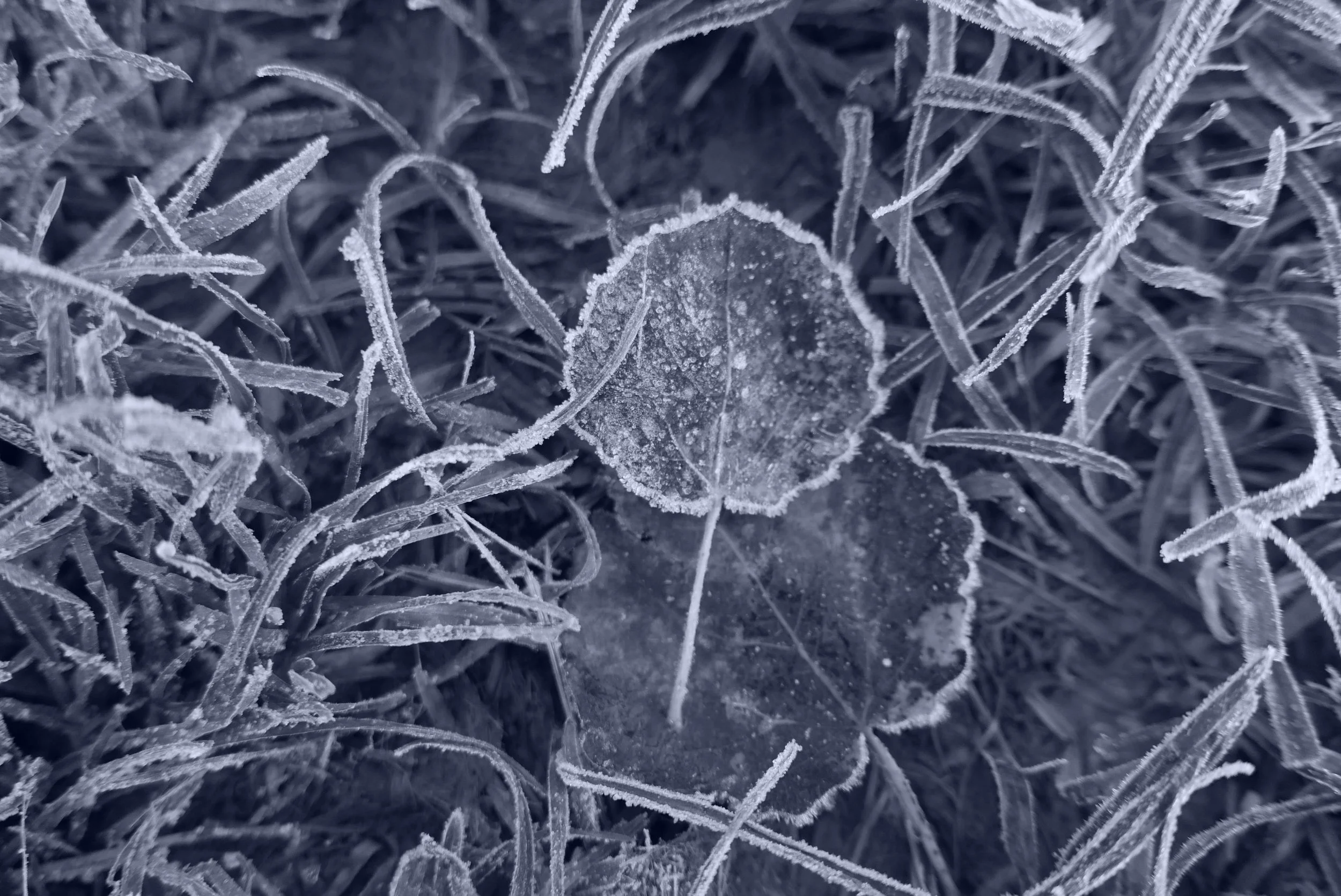
What to Make of a Diminished Thing
I’m writing this because I see others that, for one reason or another are going through the stage of wondering what to make of a diminished thing. Is the West declining? Where did enlightenment go? What will happen to the earth? And what is happening to me?

I often love a poem without understanding what it means. The sound, or the images, stick in my head, and sometimes, years after I’ve read it, it comes back to me with a jolt of enlightenment. So that’s what it meant. How true. How important.
One of these poems is Robert Frost’s The Oven Bird. The lines that stuck with me are these:
The question that he frames in all but words
Is what to make of a diminished thing.
I read it as a teenager. A diminished thing? What is that? A thing is what it is, isn’t it? And if it isn’t, if it’s less, than why make anything of it? Life is about expansion, not diminishment.
In late 2015, at the age of 53, I started to notice I was aging. I’d seen I had wrinkles before, but that wasn’t such a thing. I was never amongst the blessed few with faces molded by the gods, so I knew early that looks are not to be depended upon. Your capital, if you’re to have any, must lie in other areas – becoming caring, or a good listener, interesting, or well-informed, inspiring, funny, talented or rich. I’d invested what I could in several of those (I’m not rich).
But this was something else. I was fit, I felt healthy, but I couldn’t churn through the work like I used to – my old stamina and speed were waning. And my mind wasn’t throwing up connections like before. New information - ideas, names, stories, jokes - often seemed to sink away into my unconscious, never to rise again. So this, I thought, is growing old. This is diminishment. Huh. It’s a bit depressing.
Three months later, I was diagnosed with acute myeloid leukemia.
It feels like I’m overdramatizing to write that. But that was the fact. I was diagnosed with a fatal disease, and a particularly bad mutation of it, and told that without treatment it would kill me in four months. My best hope of survival, they said, was a stem cell transplant. Which treatment itself might kill me, or, worse, to me, leave me permanently disabled or scarred. It could damage my organs, my eyes, heart, lungs, liver. The side effects of the transplant could attack my skin. As my stay in hospital extended to week upon week, I saw these effects impacting on people I’d come to know. What to make of it? At what point does diminishment become death? At what point does one want it to?
I can’t answer those questions yet. Next month, October 2018, it will be two years since my transplant. Two years is a key date – risk of relapse falls precipitously after this. I survived my transplant almost unscathed. I’m not taking any medication; my organs are all fine. Four months of excellent NHS counseling for PTSD got me through the emotional after effects.
Nevertheless, I am diminished. My stamina is even worse than before. My once sparky brain operates only at a low hum. But I’ve lost other things, things I’m much more ambiguous about. The belief that I had plenty of time to play with, for example, and its nagging bedfellow, the consciousness that I wasn’t using that time, or my full potential, very well. The vague ambition that comes from that belief. The delusion that I was special and unique. That’s gone too. Like the bird that inspired Robert Frost, like the poet, like the billions of human beings who have lived and died and are living and dying right now, I’m just a being alive til I am not. Part of a cycle of living and dying on this young and ancient planet, that itself will one day be diminished and pass away.
From my new, diminished viewpoint, things look very different. Life itself seems so precious and miraculous and fragile that ambition, fame, accomplishment, riches all seem irrelevant. Friendship, sharing with my fellow travelers, acceptance that there will be a time of being strong and a time of being weak – there are some beautiful things to see from down here.
I’m back at my chosen vocations, writing and making films, and agitating for an end to the kind of societies that are killing our environment. I still get stressed about things, lose my temper, behave like a child. But I think I forgive myself better. Like the Oven Bird, my “song” is no longer about being “a singer”. It’s about being alive. And I’m writing this now because, more and more often, I recognise in others that stage of wondering, for one reason or another, what to make of a diminished thing. Is the West declining? Where did enlightenment go? What will happen to the earth? And what is happening to me?
The Oven Bird is a poem about approaching ends. About a bird whose song forecasts autumn. It’s so beautiful. And I think I understand it better now.
The Oven Bird
By Robert Frost
There is a singer everyone has heard,
Loud, a mid-summer and a mid-wood bird,
Who makes the solid tree trunks sound again.
He says that leaves are old and that for flowers
Mid-summer is to spring as one to ten.
He says the early petal-fall is past
When pear and cherry bloom went down in showers
On sunny days a moment overcast;
And comes that other fall we name the fall.
He says the highway dust is over all.
The bird would cease and be as other birds
But that he knows in singing not to sing.
The question that he frames in all but words
Is what to make of a diminished thing.
Post by Michelle Golder
Cambridge GreenHack - Wow!

Hackers at Cambridge, a university based Hackers Group, contacted Pivotal a few months ago to invite suggestions for their upcoming GreenHack event - a hackathon aimed at tackling issues around sustainability.
Through our work with Cambridge Carbon Footprint, I had recently met the amazing Chris Moller, an engineer, telecoms expert and organiser of many Repair Cafes, and we had had a great conversation about appliances - how more and more were being used for five years or less and then dumped in the landfill; a colossal waste of raw materials and energy. He had an idea about tracking appliance lifespans in order to inform buyers about whether the appliances they were thinking of purchasing were built to last - or built to waste.
I was delighted to be able to connect the Hackers to Chris, and the result was that one of the three challenges of the hack came directly out of his idea. I also pitched an idea about measuring energy usage in the city, and this helped the organisers zero in on another of their challenges, an active household energy monitor.
The GreenHack took place on 10 March 2018, and the results are spectacular. One of the top 5 winning projects developed a Chrome extension called LifeSpanner that informs potential buyers at point of sale about the potential lifespan of their product. You can be one of the first to test it out here: https://devpost.com/software/lifespanner
It was a great privilege to spend time with at the GreenHack, listening as the students debated and developed their ideas, and to be able to give them a short talk on our urgent need to get to a waste free circular economy as soon as we can.
Thanks to the Hackers!
10 Ways Tackling Climate Change will Make Your Life Better
10 ways tackling climate change is going to make your life better.
Last night I attended a great, packed meeting with three inspiring speakers and one clear message: the problem of climate change is looming faster and more dangerously than ever. Our planet is in the condition of a gravely sick patient. It's too hot, its circulatory systems are full of toxins and its bloodcells - plants and animals - are dying off in droves. Unfortunately, the vector for this disease is us - humanity.
The planet's immune system is kicking in, with storms, sea surges and droughts threatening almost everywhere. The consequences are terrifying, but the fear doesn't seem to be working - the UK government has just made inexplicable cuts in renewable energy resourcing while at the same time reducing tax for the oil and gas industry, while the average person continues to stick their head in the sand and carry on as if nothing was happening.
But it doesn't have to be this way. We do know what we need to do to tackle climate change, and step one is revolutionising our economies. And you know what? That will lead to all sorts of amazing and exciting things that we can all look forward to. So here's my go at listing 10 fantastic results that will follow from taking on climate change.
1) It will restore huge parts of the earth to a state of beauty and peace we can all enjoy
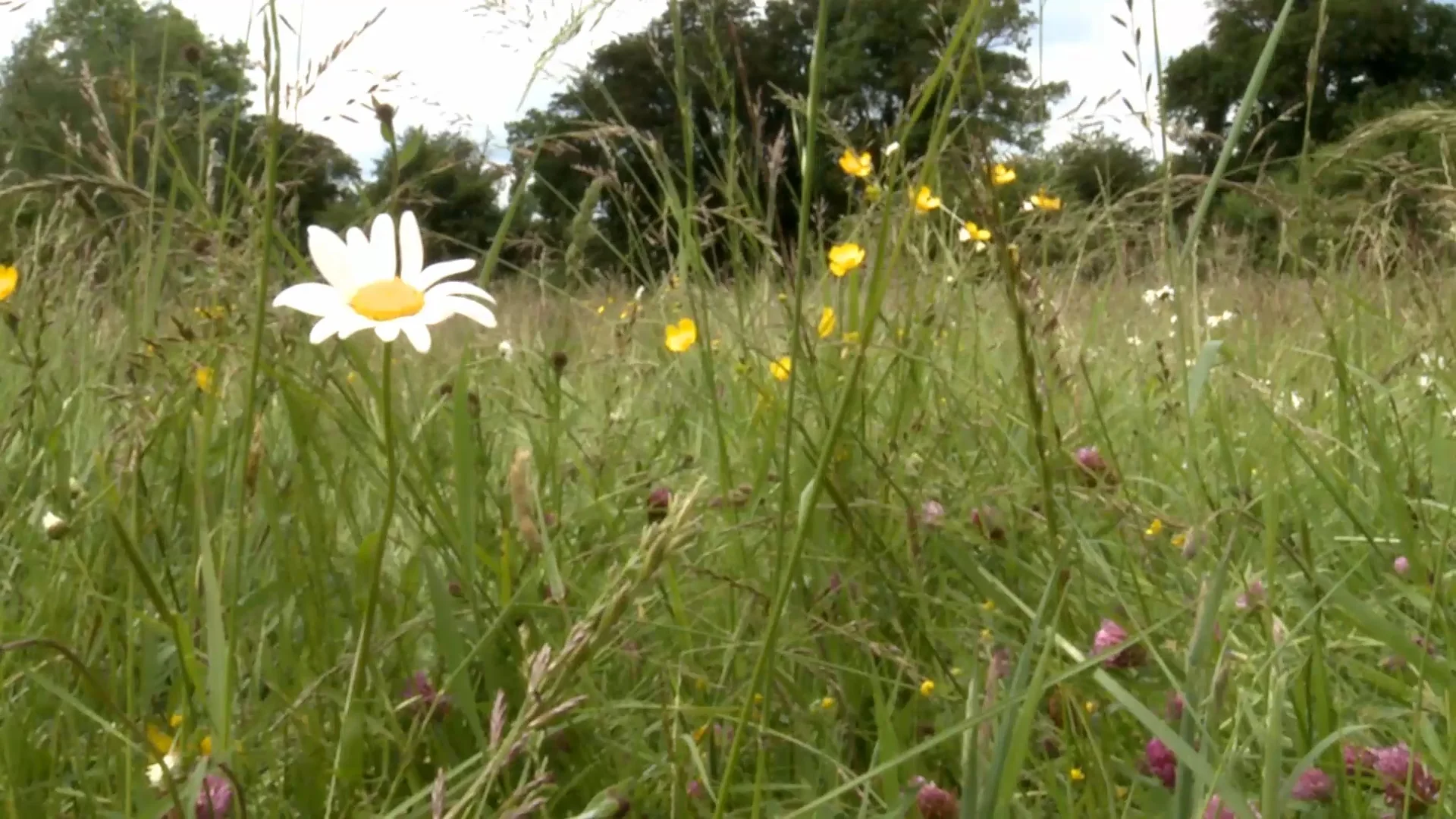
It turns out, planting forests, restoring wetlands and fenlands, cleaning rivers and lakes, and protecting the ocean, are just what we need to do to prevent further climate change. These are the planet's vital organs and given the chance and a bit of time they will heal the damage done. Too much carbon in the atmosphere? Give that job to the trees and bogs, which pull carbon out of the air and fix it in their tissues. We could make the world like we imagine Eden to be again. Green, quiet, teeming with life. And wouldn't that be cool?
2) It will make the earth into a giant wild animal park
Well, maybe not exactly. But if we get number 1 right, it turns out that will encourage all forms of life. Imagine going to your local wetland, forest or rewilded meadow - and everyone will have one of those, because we can make little havens even in the middle of cities - and spotting critters like otters, kingfishers, foxes, hawks and butterflies by the score. We might even get some species that have died out back - imagine if lynx, elk, beavers, maybe even wolves - once again roamed the UK!
3) It will make the world more equal
One of the problems of our current economic system is that it relies on a widely spread-out method of making stuff. Raw materials are bought cheaply from one place, shipped to another and with huge amounts of energy changed into processed materials, which are then shipped elsewhere (more energy lost) to be made into parts, which then go to a new place, and even the eventual finished product is often sent elsewhere for packaging before it's finally shipped and trucked to its point of sale. This wasteful process has allowed businesses to shop across the globe for the cheapest labour they can find, and that's resulted in economic disaster for many communities.
What's more, that labour is often cheap because the people involved live in unregulated societies - societies that have not yet solved the problem of protecting workers or the environment. So by exporting labour, companies move their manufacture to places where they are freer to pollute. And that's not good.
Once we tackle this problem though - and there are lots of ideas on the table for that - it will create new jobs in ALL communities. We'll have new, more localised ways of making stuff that give more people meaningful work and control over production. Big companies won't be as free to make money hand over fist without any regulation and the rest of us willl be much better off.
4) We'll be healthier
Pollution is deadly. Air pollution is one of the biggest killers in the world, and water pollution is just as bad. But it's not just those that will be better once we tackle climate change. We'll also need to change the way we eat. We'll all eat less meat, and no factory farmed meat or dairy, cause, sorry folks, those are some of the biggest contributors to climate change. Funnily enough, though, eating more veg, and healthy proteins like beans and pulses, nuts and mushrooms, is just what the doctor ordered for reducing rates of cancer, heart disease, and scads of other conditions. And the added bonus here will be:
5) Fewer domestic animals will suffer
We need to face the ugly facts. Factory farming and many other commercial farming practises are cruel. Someday we will look back at the things that were done to domestic animals like cows, sheep, pigs and chicken and be as shocked as we are now at medieval torture or burning at the stake. We'll never eliminate all suffering, for humans or animals. But revising the way we produce food will help an awful lot.
6) There will be lots of amazing new technologies
Renewable energy technologies like solar and wind power are improving almost every day. And that's going to drive prices down down down! So, in the long run, power will be cheap, and beautiful (I just don't understand people who don't like a windmill), and quiet, and fun and timesaving (no more battery changes once little solar panels are on all electronics) and clean. What's not to like?
And that's not all! Technology can potentially help us produce more organic food, or grow building materials or even electronic devices in our back gardens. And transport? Imagine no lorries on the roads - they've all been replaced by giant, silent airships that can transport massive payloads for relatively tiny amounts of energy.
7) We'll be more connected with our communities
One of the most exciting ideas I've come across is the Circular Economy, which is beautifully described by the Ellen Macarthur Foundation here: www.ellenmacarthurfoundation.org/circular-economy
A circular economy is based on the idea that we reduce waste to zero. Everything that's made is either re-used, repurposed, repaired or recycled. How do we do that? For one thing we expand on things that are already starting to happen. Heard of Repair Cafes? They're get-togethers where you bring your broken toaster or laptop or trousers with a broken zipper and some local genius fixes them for you. For free. The idea is that at some other time you might share a skill or some goods of your own. Can you help someone make a website? Cook cupcakes? Learn a language? Join the sharing economy and start reaping the benefits. **
8) We'll be fitter
I actually think the bicycle is one of the most amazing inventions humanity has ever come up with. They make you fit and burn calories! They're fast! They're quiet! They can be made inexpensively, or tricked out to become ultra-hi-tec wonder machines. They come in shapes and sizes to fit everybody, of almost every degree of ability. Bicycle cargo innovation keeps getting better and better. And you can make them from bamboo!
And don't even get me started on the mental health benefits. The carbon neutral world of the future is going to be full of gorgeous people on gorgeous bikes and personally I can't wait.
9) We'll be happier
Folks, we got sold down the river. Too many of us have become wage slaves, tied to mountainous debt we've taken on to buy expensive junk we don't need and that isn't making our lives better. Just by buying less stuff, and being part of a new culture that doesn't value somebody by their car or their bling or their taste in handbags, we're going to resdiscover all the beautiful things that humanity is so good at. Like conversation. Storytelling. Music and dancing. Creativity. Togetherness. Growing stuff. Falling in love.
10) We'll reduce conflict
Global warming is not going to hit all the places on the earth equally. But it's wrong to think that places like the UK, which may find its growing season extended and enjoy warmer summers, have therefore dodged a bullet. It's the countries which currently have the least developed infrastructure and in many cases some of the world's biggest populations that will be worst hit, and if you think we have a refugee problem now imagine what it's going to be like if somewhere like Bangladesh becomes unlivable. And the conflict that outcomes like that will cause is already rearing its head and is not going to wait for the worst effects to escalate. So if we want to avoid war, and all the unimaginable horror that goes with it, we need to act now. For a more equal world. A more beautiful world. A new world.
Guys, I could go on. There are many other benefits to tackling climate change. But we won't see them unless we all make the commitment to change NOW. Commitment to pressuring our governments to make zero carbon now policies, to start big, positive conservation programmes for our forests and wetlands and oceans. Personal commitment to eating less meat and NO meat that isn't sustainable, to using renewable energy where possible, to reducing our consumption and eliminating waste. Commitment at our workplaces and social places to speaking up about what's going on and how we all have to be on board.
Be brave. We had the good fortune to be alive at a time of revolution. Our lives, and what we do with them, really do matter.
Michelle Golder, Pivotal Director and Ordinary Person
** Other ways the circular economy is happening:
- Swishing groups - people get together to swap clothes.
- Toy, tool or sports libraries - you don't really need the drill. You just need the hole. So why does everybody on your street need to buy a drill? Community resource libraries will save people money (see number 3, above) while saving the planet.
- Find out more about Cambridge's own Circular Economy here: circularcambridge.org/
A message from Steve Waters
Steve Waters joins Pivotal on the 8th December at Cambridge Junction with his monologue, In a Vulnerable Place, and in conversation with Dr David Sneath. Here Steve explains how that monologue came about and about the "wicked problem" of climate change -

Six years ago I wrote a duo of plays about climate change called ‘The Contingency Plan’ which debuted in the year the world met in Copenhagen to – as it turned out – fail to reach substantial agreement on reining in global carbon dioxide emissions. Now as COP 21 is convened in Paris to address that unfinished task, I’ve too returned to re-examine these questions in my show ‘In a vulnerable place’.
In the intervening time there’s been a raft of plays ‘about climate change’. I don’t especially like that phrase as it feels ludicrous, a bit like saying ‘this play is about capitalism’ or that play is ‘about life’. Climate change, however we talk about it, is far too complex and multifarious to be spoken about as if it were an issue. Perhaps that’s why it interests me; it’s what the philosophers call a ‘wicked problem’, defying definition and simple solution. It can’t be voted away or solved by decree. It is happening whoever sits in Westminster. It can be made a hell of a lot worse, of course – and George Osborne leads in that respect if in none other.
That’s one reason I’ve returned to it in this monologue. I realised my capacity to think about this new reality was waning. Playwrights are in some ways condemned to superficiality on the questions they engage with; nobody wants to be a one-trick pony banging on again and again about their pet concern. And yet I started to wonder whether there could be a more precise way of thinking about it which might merge activism and writing; whether it was time to look again at where we can detect this elusive reality in the lives and landscapes around us.
The new urgency comes from my sense of the rapidly worsening state of the natural world, a feeling compounded by a joint report by all the major UK wildlife charities, ‘State of Nature’, two years ago, which suggested even these sceptred isles are losing species at a terrifying rate. Then I met some anthropologists, such as David Sneath who were working on the experience of environmental change in this country and in madly exotic sounding locales: Alaska, Tibet, Mongolia. And I got embroiled in a controversy in one of our less well known national parks, the Broads in Norfolk. I found myself within a story, a story this time I didn’t feel required the veil of fiction – a story I wanted to talk to audiences about, in my own person.
I’m well aware a one-man show in Cambridge or anywhere else is hardly likely to make a dent on what takes place in Paris. Yet, as the Pivotal festival suggests, a network of artists and activists can create a kind of public space away from the heavily policed conference chambers where we can stare down this future that’s heading towards us and forge our own way forwards. In 2009 this felt like a lonely task – now there’s many more of us and whatever the politicians achieve, for me that’s a result.
Steve Waters, 2015
Every Pivotal Event in 20 Minutes (or so)
Last night poet Fay Roberts and Pivotal director Michelle Golder joined Pete Monaghan of Rebel Arts Radio at Cambridge 105 to preview every Pivotal event, including our takeover of the Rebel Arts slot which Fay will be DJing on the 7th of December, 9-10 pm. Pete played some awesome tracks from artists including Massive Attack, The Destroyers, Woody Guthrie, Agitators, Grace Petrie and more.
Catch the whole show on demand by clicking this link: https://www.mixcloud.com/RebelArtsRadio/rebel-arts-radio-301115-cambridge-pivotal-festival/. We hope you'll enjoy listening as much as we enjoyed recording it!

An Inspiring Day of Climate Action
One of our primary goals in starting Pivotal was to support the work that other local organisations were doing, by helping to spread the word and cross-fertilising events to gain new audiences. With this in mind we organised meetings with every activist, environmental and academic organisation we could get in touch with.
A post on the discussion pages of the Cambridge 38 Degrees Hub got an immediate enthusiastic response from Dr Chris Forman, a dynamo in human form who, in addition to Post-doc research and teaching in the chemistry department of Cambridge University, organised the Cambridge Hub.
Chris is a passionate visionary who is pursuing ideas of sustainable production which could have profound effects on the way we organise our societies. We soon had an event scheduled with Chris (Can ipods grow on trees?) and were concocting plans for many other activities.
A multi-topic public forum Chris organised at the Friends Meeting House proved pivotal (that word again) to the organisation of a weekend of climate action. In attendance were Mark Slade of the Green Party, Edward Gildea, a climate activist from Saffron Walden, and the equally passionate and wise Anna McIvor of Transition Cambridge, who then organised a larger planning meeting bringing together representatives of Cambridge Carbon Footprint, student activists, and members of Fossil Free Cambridgeshire, who were already developing an idea to create a Cambridge Climate Message.
When Pivotal organiser Jill Eastland came on board with a performance from her group, Rebel Arts, along with some of the actors from the forthcoming Pivotal Street Theatre peformance at Mill Road Winter Fair, a little bit of magic happened.
You can share that magic in this beautiful film from JH Film, Jonnie Howard.
Pivotal on Cambridge TV

A few weeks ago, Pivotal team members Michelle Golder and Jane Monson joined actress Sochel Rogers (Futures for Sale at the Mill Road Winter Fair), speaker and gardener Charlotte Synge (Empty Common Community Garden Party) and speaker Chris Forman (Can ipods (and chairs and lampshades) grow on trees) at the studios of Cambridge's own TV station, Cambridge TV, to introduce the world to Pivotal.
See the whole clip on the Culture on demand page of the station here: http://www.cambridge-tv.co.uk//?s=pivotal
A good time to divest from fossil fuels?
An interesting discussion on the question of divestment has been going on on the Cambridge 38 Degrees site (you may need to join to read).
As I recently connected with the CapGlobalCarbon organisers, who advocate a system of capping fossil fuel production at the source, charging a fee for production, and distributing the profits globally, I received this comment from Dr David Knight, an organiser for CapGlobalCarbon, who agreed to my posting it as a guest blog here.
The implications of Brent Crude at $43.6 for the Climate Movement


The price of Brent crude has fallen to its lowest level in the recession that followed the Credit Crunch, while the FSTE 350 Oil and Gas producers share Index has dropped about 25% in a year. These trends are already having a serious impact on the fossil fuel (and other extractive) industries, making investment in them increasingly risky.
The risk is compounded because:
“shifts in market sentiment induced by awareness of …climate risks could lead to economic shocks and losses of up to 45% ...on equity investment portfolios… . [Much of these losses are unhedgeable]”
The already shaky economic system may be close to collapse.
There are several important implications for the Climate Movement:
1. Low oil and gas prices reduce the impact on consumers of measures such as Cap & Dividend and carbon price mechanisms that increase the cost of fossil fuels. This makes the present a good time to introduce these measures.
2. The increasing riskiness of fossil fuel investments provides a strong financial argument for divesting and re-investing in renewables, energy conservation and energy storage.
3. It’s a good time to divest as it’s hitting the producers when they are down.
4. The interactive global eco- and financial systems are unstable and threatened with collapse. Schemes such as CapGlobalCarbon’s Cap & Dividend together with Divestment/Reinvestment might just help to bring about a transition to a stable, equitable, and less extractive future.
Naomi Klein is likely to agree with much of this.
Dr David Knight, CapGlobalCarbon http://www.capglobalcarbon.org/
Understanding the consequences of living with climate change: A review of This Changes Everything by Naomi Klein
In the aftermath of the British general election, where climate change and care of the environment more generally weren’t a priority for the major political parties, and certainly not for the new Conservative government, it feels crucial to keep awareness, debate and action high on the agenda.
“Because these moments when the impossible seems suddenly possible are excruciatingly rare and precious. That means more must be made of them. The next time one arises, it must be harnessed not only to denounce the world as it is, and build fleeting pockets of liberated space. It must be the catalyst to actually build the world that will keep us all safe. The stakes are simply too high, and time too short, to settle for anything less.”
Indeed, Klein's groundbreaking book makes light of the previous Conservative-led coalition being close to the oil and gas industries, which wish to promote their energy and single-minded economic agenda against any other system that might place people, communities and our living planet higher than GDP (gross domestic product). The core of the issue, Klein argues, is that capitalism is the problem; power, money and the efforts to preserve the hegemony of that power are preventing the urgent, necessary, all-species action on climate change. Carbon causes the specific problem of temperature and weather change, but it is the psychology driving those behind the means of procuring and using the carbon that needs tackling. And quickly.
For five years, I read and reviewed most of the books that came out on environmental themes. Some, like Fred Pearce’s Confessions of an Eco Sinner (2009) and Dancing at the Dead Sea by Alanna Mitchell (2005) are excellent in their style, factual analysis and presentation. Others might cause a small ripple, or none at all. It’s a big field of literature in its own right now, rightly so. What I took from that drip-feed diet was an observation of growing problems, and some case studies, but not such a rigorous dissection and arguing of the scale of the disaster that befalls humanity, as that presented here.
Every so often a book comes along that has its own force and depth of integrity and This Changes Everything has that power. Indeed, the New York Times described it as “almost unreviewable… the most momentous and contentious environmental book since Silent Spring.” Rachel Carson’s book is credited with providing and presenting the data that led to the phasing out of DDT being used in agriculture and household gardens; could Klein’s book have a similar impact upon the climate change deniers and the businesses that most affect our planet?
Klein has been on a roller coaster of a journey with this book and acknowledges help from full-time assistants and researchers, as well as funding in order to travel, employ others and write. She was also trying to get pregnant during the research period and this personal narrative of hope, disappointment and then ultimately happiness weaves through it, grounding much of the ecological devastation and impact upon communities in some hope. However, it is tinged with some shocking statistics:
“They found that proximity to fracking increased the likelihood of low birth weight by more than half, from about 5.6% to more than 9%” and the town of Mossville, in Louisiana, where industrial plants convert oil and gas into petrochemical products, is described by a resident as “a woman’s womb of chemicals. And we’re dying in that womb.”
The introduction and first part of the book, Bad Timing, is a tough read. She visits conferences dedicated to climate change denial and unpicks the money trail given to the propaganda. Klein devotes a lot of space to Richard Branson and Bill Gates, exploring their Damascene conversion to finding a “solution” to climate change, and how this hasn’t halted or altered their business practices and expansions.
But I think it’s crucial to focus on the positive and highlight the optimism that Klein does weave through the latter part of the book, where she talks of some of the communities she has visited who are able to “build fleeting pockets of liberated space”, in terms of their “resistance to the economic system [that] creates the necessary friction to slow and brake.”
I met with a group of people who had come together through the Transition Cambridge Group to discuss This Changes Everything and asked them for their responses, how the discussions around the issues had gone, had anyone’s attitudes changed and how they were responding as a group and as individuals and members of other families, communities and networks, to the strong message for change and action.
“As a direct result of coming together to read and respond to the book, we’ve formed a group called ’Fossil-Free Cambridgeshire’, one member, a doctor, said: “We concluded the book before the winter holidays, then we reconvened and discussed where to go. We talked about doing an action and then thought about starting a group like this. The university has one, Positive Divestment Cambridge, but that’s specifically for the university. It isn’t about divestment, but about positive investment instead."
“We also decided to create another group, a support group or a leaders meeting, to discuss what was coming out of this and support each other. We formed around International global Divestment Day, made a banner and met and joined a demonstration."
We met on election night, 7 May, and the talk turned to arranging meetings with local ward councillors post-election, irrespective of their parties and any national political agendas, but to work on a local level with debate and discussion.
“I’m enthusiastic to do more, and reading the book and meeting within this group has reawakened the activist within me,” another member said. “From the outset, Klein spoke of the fears and struggles that confronted her, and that when she faced them, it showed her the reality [of the climate situation and the impact of business as usual]. We can have much better lives, and better communities, if we face some of these challenges and fears.”
This was a clear example of one of the “circular and reciprocal systems” Klein writes about, using resilience in a regenerative way to respond. Klein highlights many examples around the world where communities have come together, often from a very weak initially demoralised and socially awkward start, to create resistance and communality. Although politics belittles the people; as I write in late May the US Senate has voted 50-49 against the motion that humans are responsible for climate change, despite scientific evidence presented by NASA and other respected bodies to support the motion.
To conclude I’ll point the reader to both the book, and to the accompanying online materials and campaign, particularly the Beautiful Solutions part of the website, which highlights some opportunities “to chart a different course”.
The book needs to be read, and to be responded to, although I recommend seeking out, if not already being involved with, a community of those willing to engage with the issue, as the facts and figures Klein lays bare are a tough read, hard to digest and respond to alone.
May this book truly help to change everything, for the best we humans can achieve.
This review is by James Murray-White, Pivotal Organiser, writer and filmmaker, specialising in visual anthropology: exploring the world and what makes us tick. He has a background in theatre (as playwright and director, with a smidge of theatre in education), and also 5 years as an environmental journalist in the Middle East, where he wrote for www.greenprophet.com amongst others. Currently a content producer for Cambridge TV.
A version of this review was first published June 2015 in Contributoria - http://contributoria.com/
The die appears to be cast
One thing that deciding to "turn and face" the issue of climate change has done for me is reveal the sheer number of groups, organisations and individuals involved in what has become a climate change industry of itself - websites, activist organisations, books, sustainable products, government departments, academic degrees, journals, arts organisations, food suppliers, caterers (even festivals!) - you name it, there's a body out there engaging with the issue.
And there's a lot of good news to be had. Jeremy Leggett's The Winning of the Carbon War is a particularly useful source to follow, as its feed captures news - good and bad, but of late much to be positive about - as it happens.
To take just one example, this is the headline for the post of 18 October, 2015: US government blocks Arctic exploration, Congressmen call for federal enquiry on Exxon’s climate change denial, 10 oil companies pledge to support Paris – not Exxon: Week 41, 2015.

This has prompted a thought - that whether you "believe" in climate change or not, whether you are willing to buy in to any of the proposed solutions, even whether the scientists' models turn out to be "true" - in one sense these no longer matter. One way or another, we all WILL be profoundly affected by climate change in our lifetimes. It might be through local, national or international legislation, or through economic impacts of actions taken by agencies who are convinced, or it might be (I think will be) through the actual impacts of climate change over the next century and beyond. And it might be all of the above.
For those in the most vulnerable areas of the earth, it almost certainly will be.
Whether we like it or not, our generation - that is, those of us alive now - are responsible for making the decisions that will impact on the planet for generations to come.
But how can we make those decisions? The problem is too gigantic, the solutions too diverse, unconnected, and untested.
I'd like to propose a first step. As individuals, and as a society, and ultimately, as a species, we have to rethink our values. We need to develop a set of principals - a kind of new ten commandments - by which we will manage our resources and live our lives. And at the top of that list, we need to put stewardship of the planet and all its diversity.
Every time a new decision is called for, whether on local transport, government contracts, or holiday plans, we need to think, how will this impact on our planet? How can we protect, nurture and restore its natural balance?
Some people will think this is arrogant. Who are we, puny humans, to put ourselves in the position of protectors of the entire globe? I'm reminded of my days as a young mum, looking after my son at the co-operatively run Playcentre in Wellington, NZ. I noticed that some mums didn't take action when kids not their own did something unsafe or uncivilised. I mentioned it at a meeting.
"I wasn't comfortable taking the responsiblity for telling off another person's child," another mum said.
"Well, you're the one that's here," I replied. "For now, it's your job."
This post by Michelle Golder
Pivotal - the first turn of the wheel
Pivotal began when environmental scientist Peter Daldorph loaned me his copy of Gwynne Dyer's 2008 book, Climate Wars. I think he felt bad about it afterward. The book had upset him, and it upset me too. It's a work of speculation, by a well-respected military historian and journalist, based on both the science, and interviews with world military and political leaders.
In a style as gripping as any spy novel, Dyer presents a number of possible future scenarios - and all but one are ghastly to contemplate. Unfortunately, the one that isn't - the one where the world's leaders, right now, agree that the threat is imminent and we must take immediate action to drastically reduce carbon emissions - is the one he also thinks is the least likely. There just isn't the will, the economic implications are too dire, we all have to agree, and so on, and so forth, to the end of the world, amen.

To a person like me, who lives almost entirely in a world of imagination, the book created a very vivid and unforgettable picture. But it didn't, for me, lead to further action - it just made me depressed. I'm a nature lover, and a humanist, I recycle, buy organic, and take the bus if possible, but what more substantive action could I take? The book's focus was very much on world leadership as the solution to the problem. And this was before the sweeping Jeremy Corbyn Labour leadership victory here in the UK (at this writing it is one day post that victory). Democracy really wasn't seeming up to the task.
“Gwynne Dyer is one of the few who are both courageous enough to tell the unvarnished truth, and have the background to understand, not misrepresent the inputs. This book does a superb job of detailing the emerging realities of Climate/Energy. These realities are not pretty.”
"If you think Dyer's bad," Peter said, "you should read Naomi Klein." But it turned out that Naomi Klein was "bad" in an entirely different way. Klein too starts from the position that climate change is happening and must be stopped or slowed or we face dire consequences for the planet and for humanity. But she makes a compelling argument as to why the world's worst offenders have failed to act, linking it to the neo-liberal agenda of privatisation, globalisation and free trade, and pointing out that it is those same policies which have led to increased global and internal inequality.

For me, this put the whole question in a new light. Now, I saw,"winning" the battle against carbon was not necessarily going to result in a depressed and depressing world in which the middle and working classes would suffer the most and the growing economies of the developing world would be stopped in their tracks. Winning this battle could also mean winning a battle against inequality. It could, eventually, mean a better life and a better world for nearly everyone (at least those for whom it's not already too late. I'm thinking of the polar bears now). And this was a world I could imagine without pain. Indeed, it was - potentially - beautiful.
But not everyone is going to want to read a radical book by Naomi Klein.
So what could I, a sometime scriptwriter and filmmaker, without any following or funding, without any skills in permaculture, or organic farming, or politics, or anything much except in creating events, and those mostly for the sake of pure entertainment, what could I, and my friend Peter, do to get that positive vision across and make it real? To help ourselves and others turn and face the changes that are coming, one way or another, in a positive way?
And that's when I discovered Cape Farewell, and ArtCOP21, and their call for satellite events. And Pivotal was conceived.
This Post is by Michelle Golder
We welcome submissions from group members and others but reserve the right to refuse or edit them. Unless otherwise stated, blogs are by Michelle! Write to HnHeco@gmail.com if you have a blog idea or proposal.
NB: some posts were migrated here from our previous site (hence two dates!)